Opossum Removal
Mike's Wildlife Removal
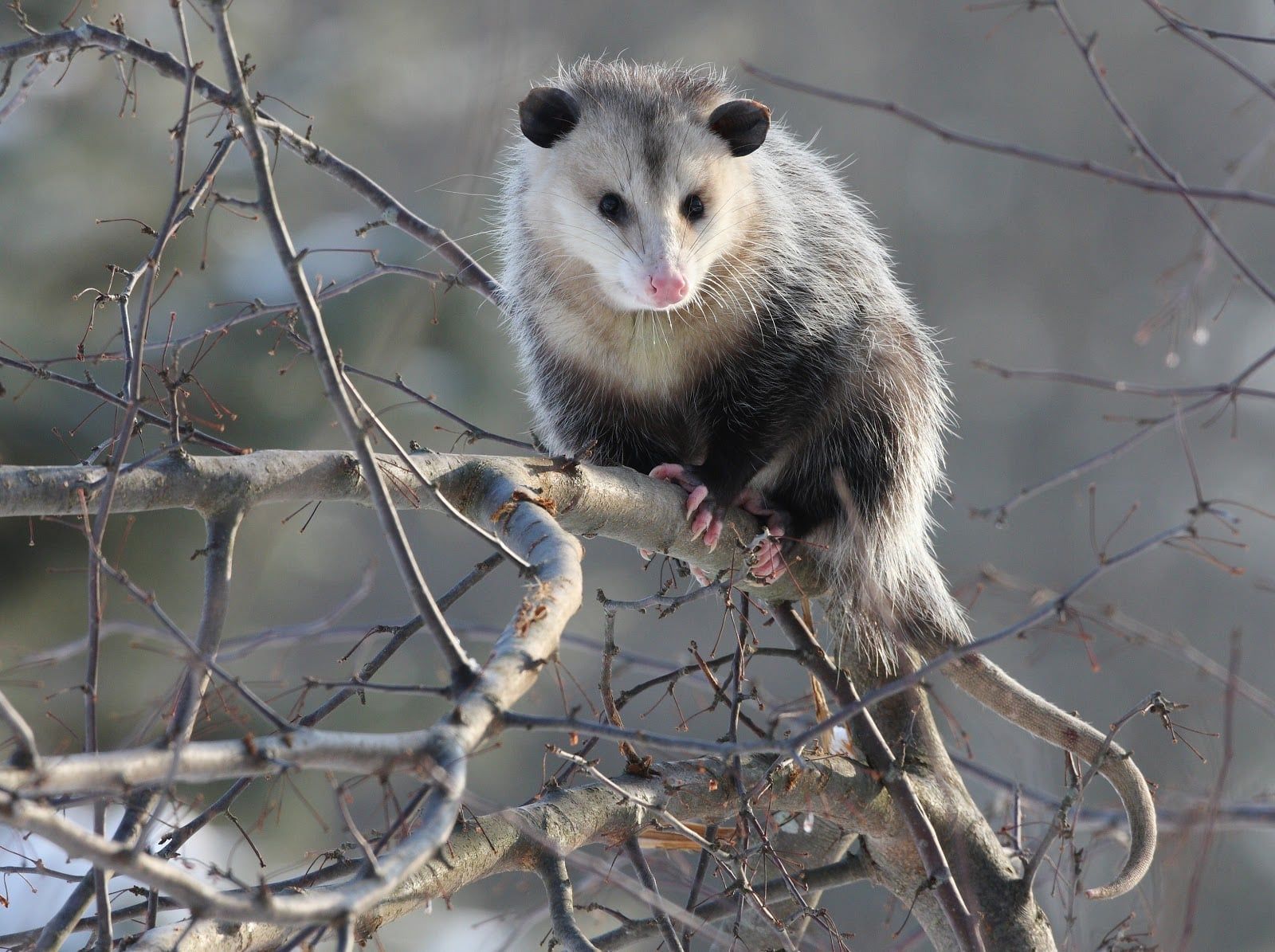
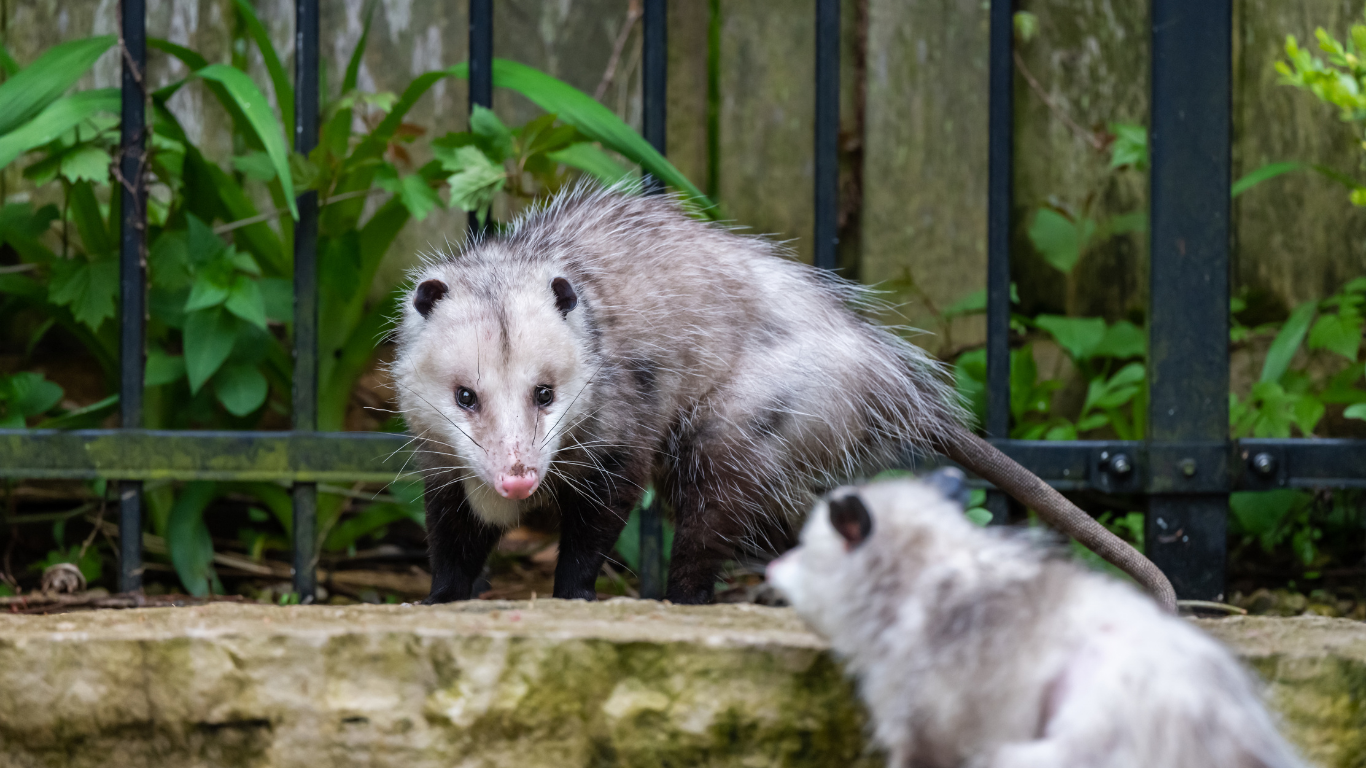
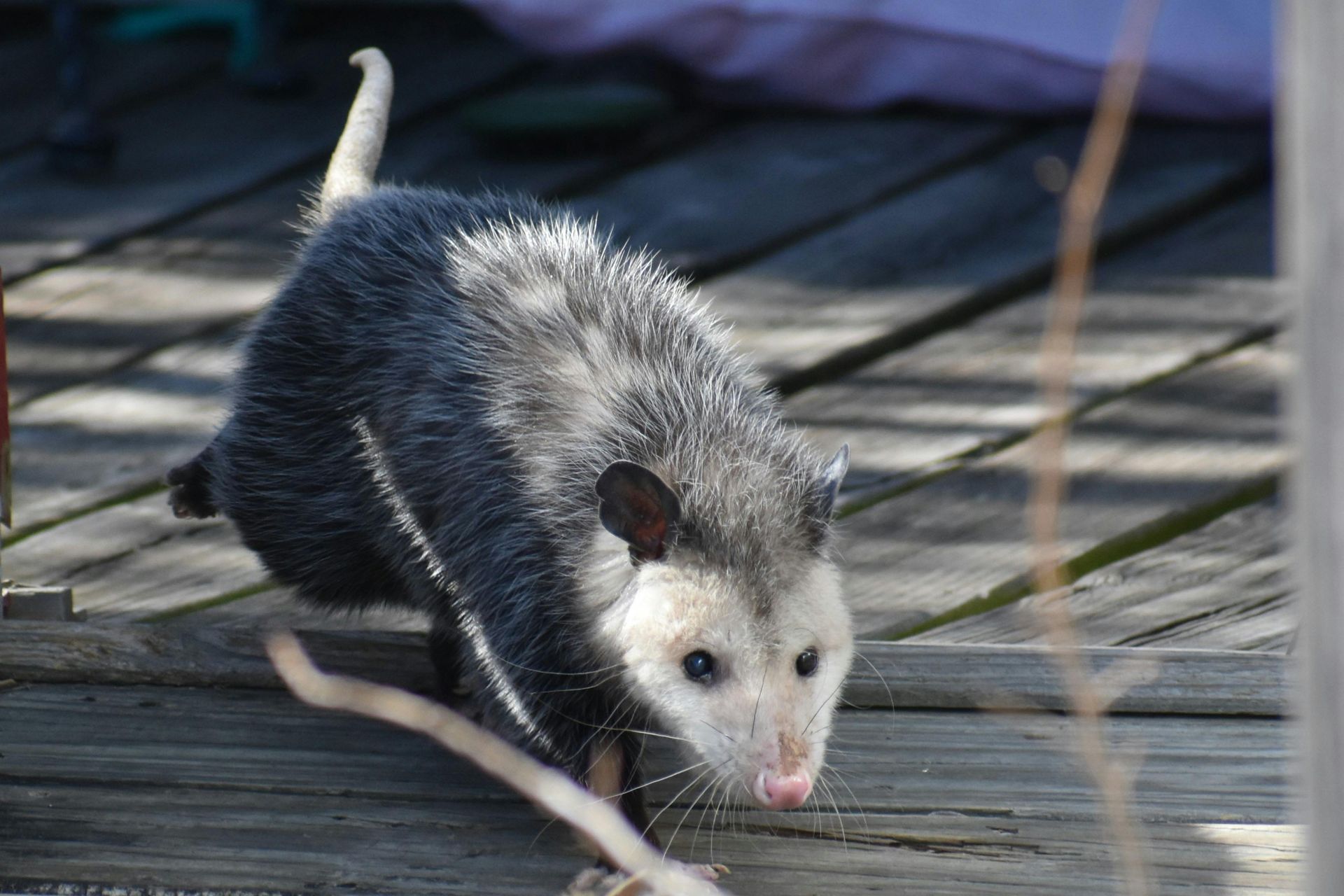
Opossums — often called possums in colloquial speech — are nocturnal marsupials commonly found in Connecticut. Generally solitary and non-aggressive, opossums play a beneficial role in ecosystems by eating ticks and pest insects. However, they can cause problems when they den under porches, decks, or inside sheds and crawl spaces, or when they visit yards frequently seeking food. Mike's Wildlife Removal provides humane opossum removal services and prevention measures for Middlefield and neighboring communities, delivering safe, practical solutions that minimize stress to animals and protect homeowners’ properties.
Understanding opossum behavior
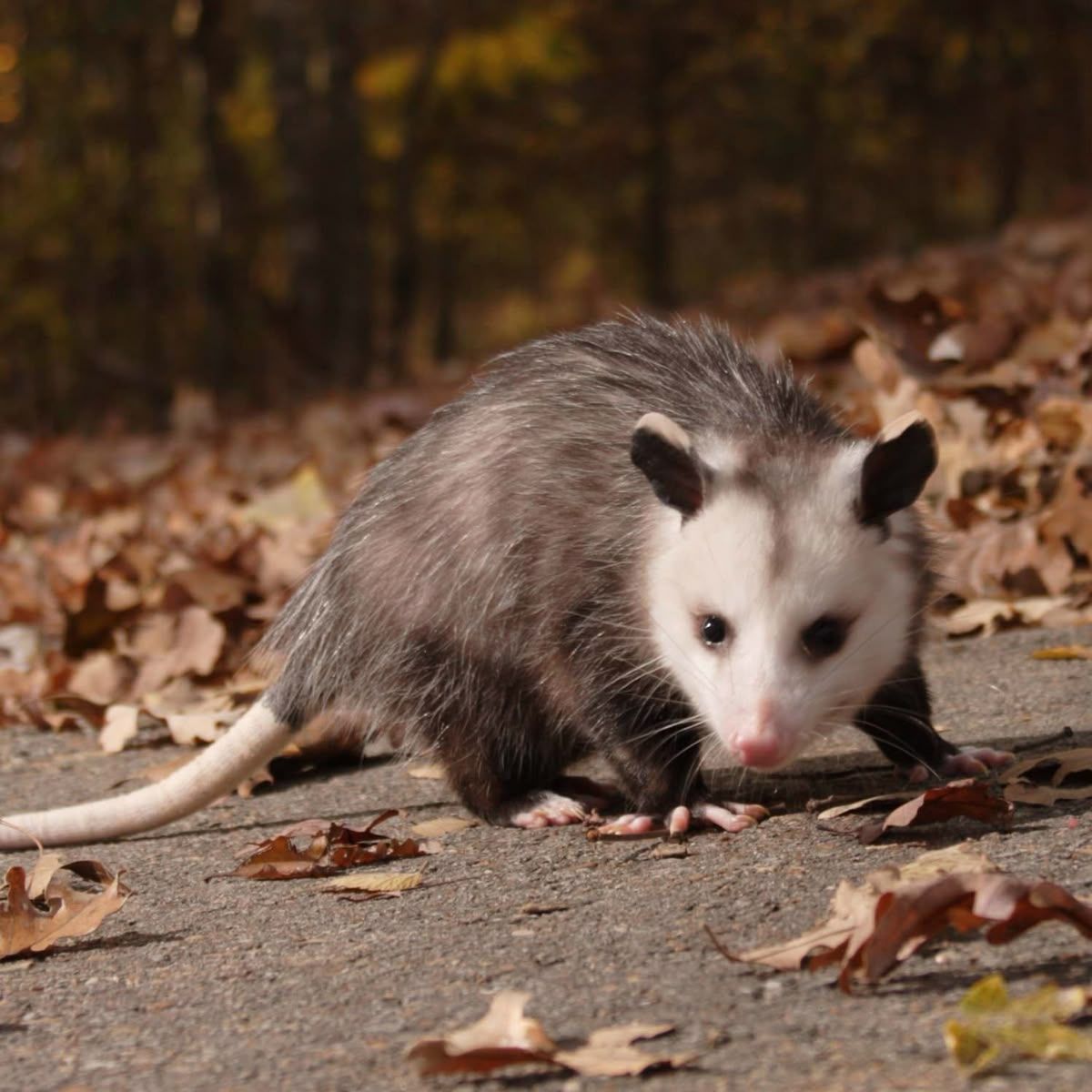
Opossums are opportunistic feeders eating fruit, carrion, pet food, trash, and small prey. They are excellent scavengers and may return repeatedly to reliable food sources. Opossums are adept at squeezing into small spaces and building shallow nests, making them a frequent denning candidate around homes with accessible crawl spaces or open foundations.
While opossums can temporarily entertain onlookers with their defensive behaviors, they can also create health risks through ticks and fleas, and they may damage insulation, wiring, or stored items if they den indoors.
Why opossum removal matters
Nesting and denning
Opossums den in sheltered areas and can cause damage to stored materials, insulation, and structural components.
Attracting pests
Opossums can bring ticks, fleas, and other secondary pests into close proximity to human activity.
Repeated yard visits
Food left out for pets, unsecured garbage, and even fallen fruit can encourage ongoing opossum presence.
Pet safety and distress
Although opossums are rarely aggressive, their presence can distress pets and provoke confrontations that risk injury.
Key benefits of choosing Mike’s Wildlife Removal for opossums
Humane trapping and relocation practices in accordance with local wildlife guidance.
Den-proofing and foundation sealing to prevent re-entry.
Advice on attractant reduction and sanitation to make your property less appealing.
Safe removal techniques used to protect both animals and household members.
How we remove opossums, process and techniques
1. Inspection and identification
We inspect likely den sites such as under porches, decks, sheds, and crawl spaces. We look for tracks, droppings, and den material. Identifying the species is important to ensure proper handling and adherence to state rules.
2. Humane live trapping
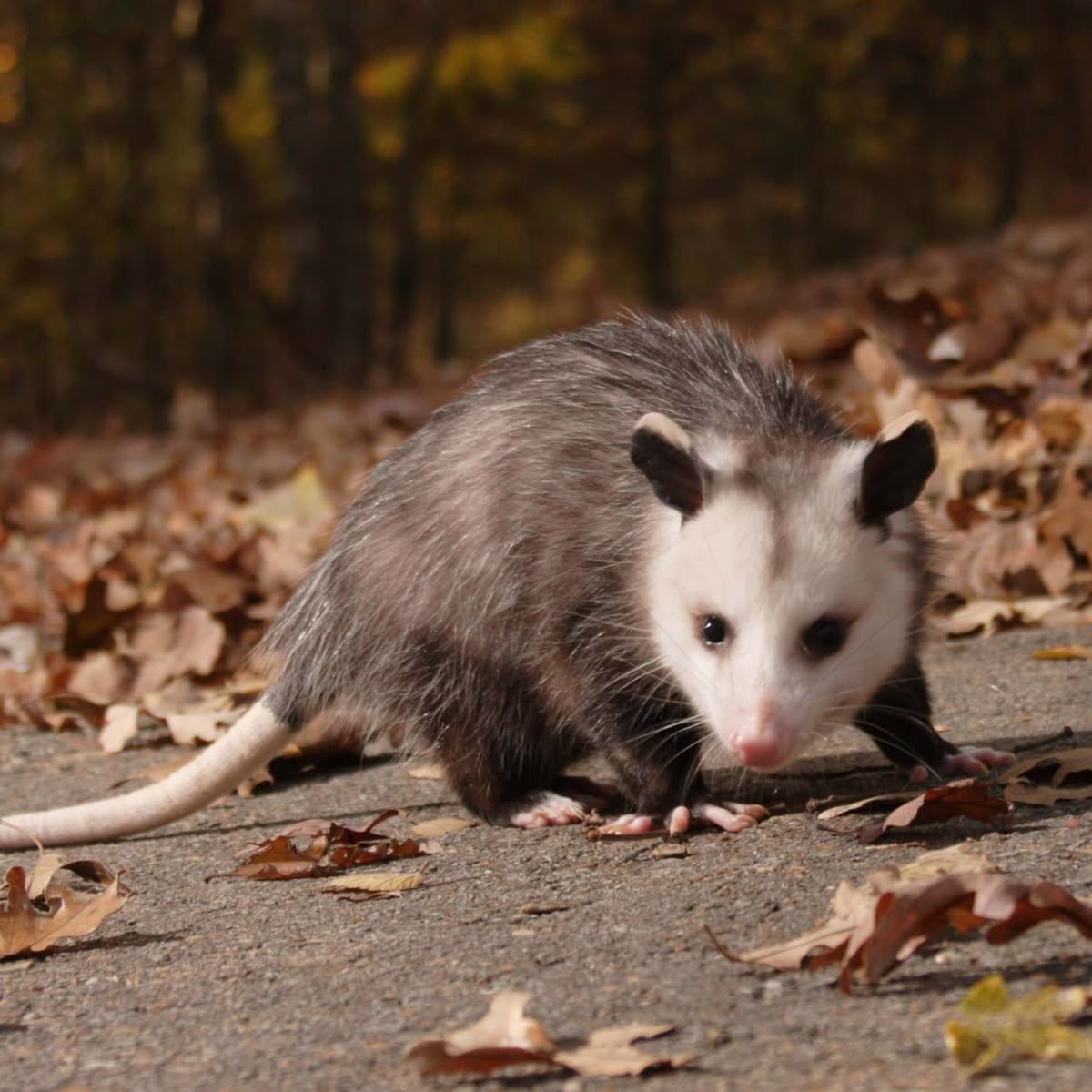
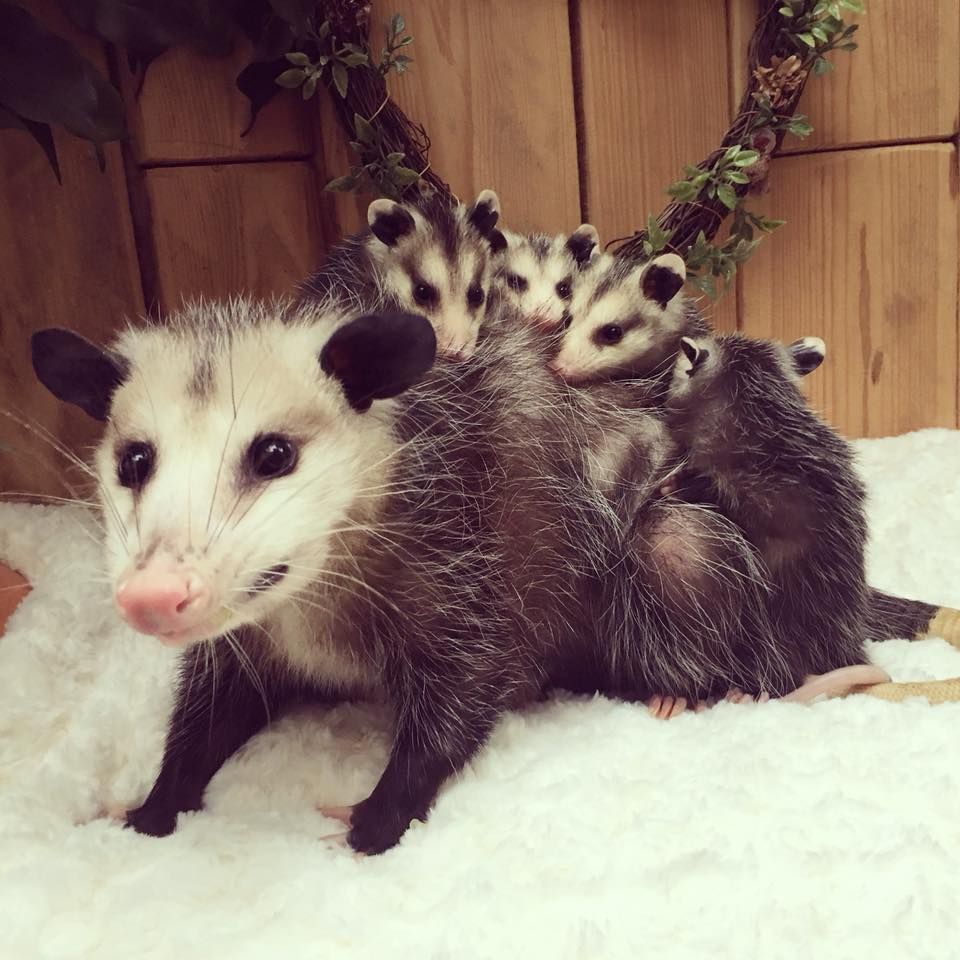
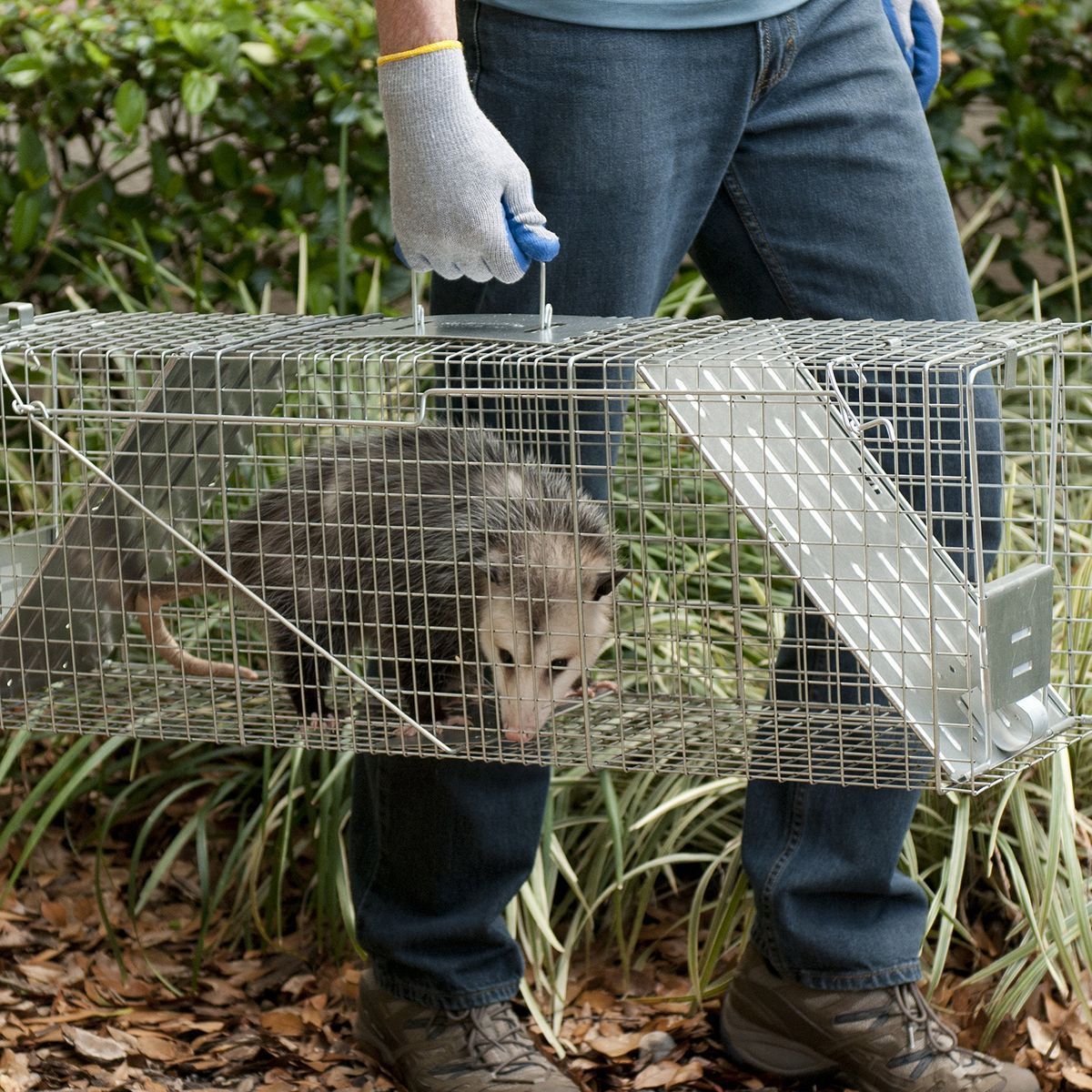
When removal is necessary, we use live traps placed near den entrances or frequented pathways. Traps are checked frequently to reduce stress. We handle captured opossums carefully they are generally docile and often play dead when frightened and we relocate or handle them per local guidelines.
3. Den closure and prevention
After removal, we seal entry points and install durable materials to prevent future denning. Skirting enclosed porches and securing sheds are common solutions. We also recommend hardware cloth barriers at foundation openings and discuss options for soil grading to reduce under-deck shelter.
4. Attractant management and education
We provide practical guidance for homeowners: don’t leave pet food outdoors, secure trash containers, harvest fruit trees promptly, and consider rodent control to reduce prey that draws opossums.
5. Follow-up monitoring
We schedule a follow-up to ensure the exclusion work is intact and that no new activity has emerged. Our warranty covers included measures per your written agreement.
Safety and disease considerations
Opossums are generally low-risk for rabies compared to some other wildlife species, but they can carry fleas and ticks. If you or your pet has direct contact with an opossum or shows signs of bite or scratch, seek medical or veterinary advice. Our technicians use PPE and sanitation protocols to handle droppings, nests, and potential contamination safely.
Frequently asked questions (FAQs)
Q: Are opossums dangerous to humans?
A: Typically, no. Opossums are more likely to flee than fight. They may hiss or bare teeth when cornered, but are rarely aggressive.
Q: Can opossums carry rabies?
A: Opossums have a lower incidence of rabies compared to some mammals, but any wild animal with unusual behavior should be treated with caution and reported to authorities.
Q: How can I discourage opossums from my yard?
A: Remove food attractants (pet food, open compost), secure trash, harvest fallen fruit, and consider motion-activated lights or sprinklers near commonly used pathways.
Q: Do you relocate opossums?
A: We use humane relocation methods consistent with local guidelines and safety standards. Relocation is conducted responsibly to minimize harm to the animal and ecological disruption.
Q: Will opossums come back if I seal the den?
A: Properly installed exclusions and removal of attractants significantly reduce the chance of recurrence. We recommend periodic checks, especially if your property has abundant food sources.
To schedule humane opossum removal, den-proofing, or attractant consultations, call Mike's Wildlife Removal at (860) 306-1991. We serve Middlefield, CT and surrounding towns and provide experienced, compassionate wildlife solutions to protect your home and family. Office: 22 Passiac Road, Middlefield, CT 06455.