Raccoon Removal
Mike's Wildlife Removal
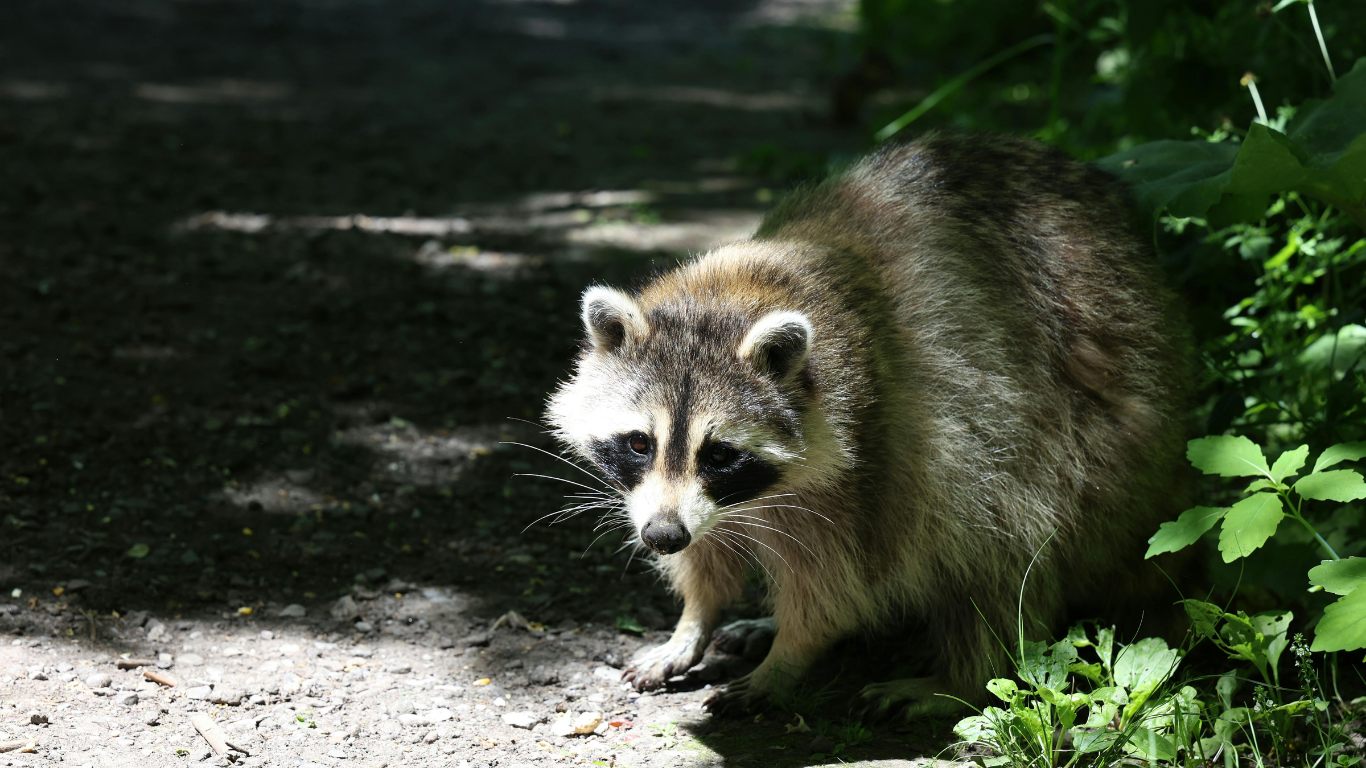
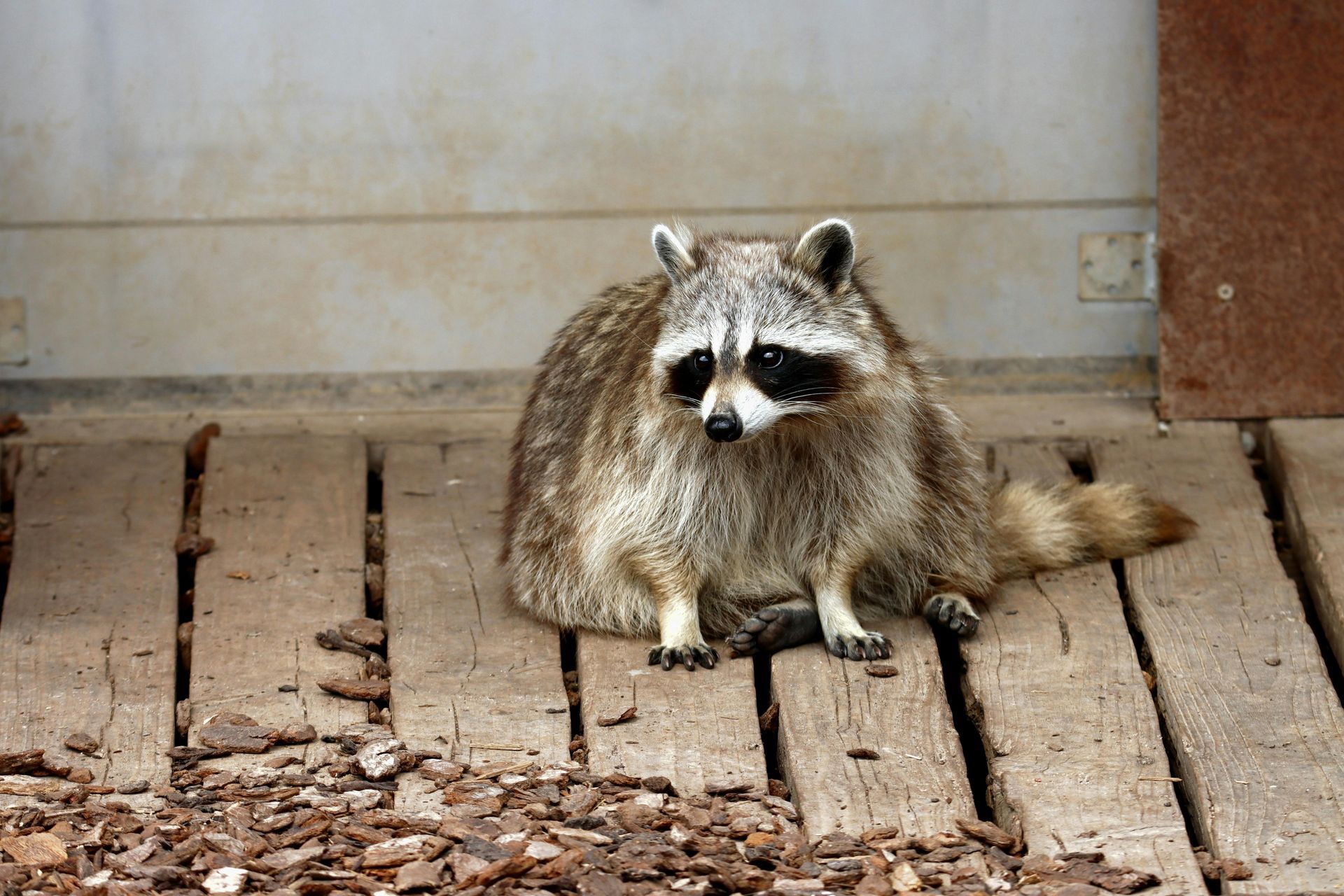
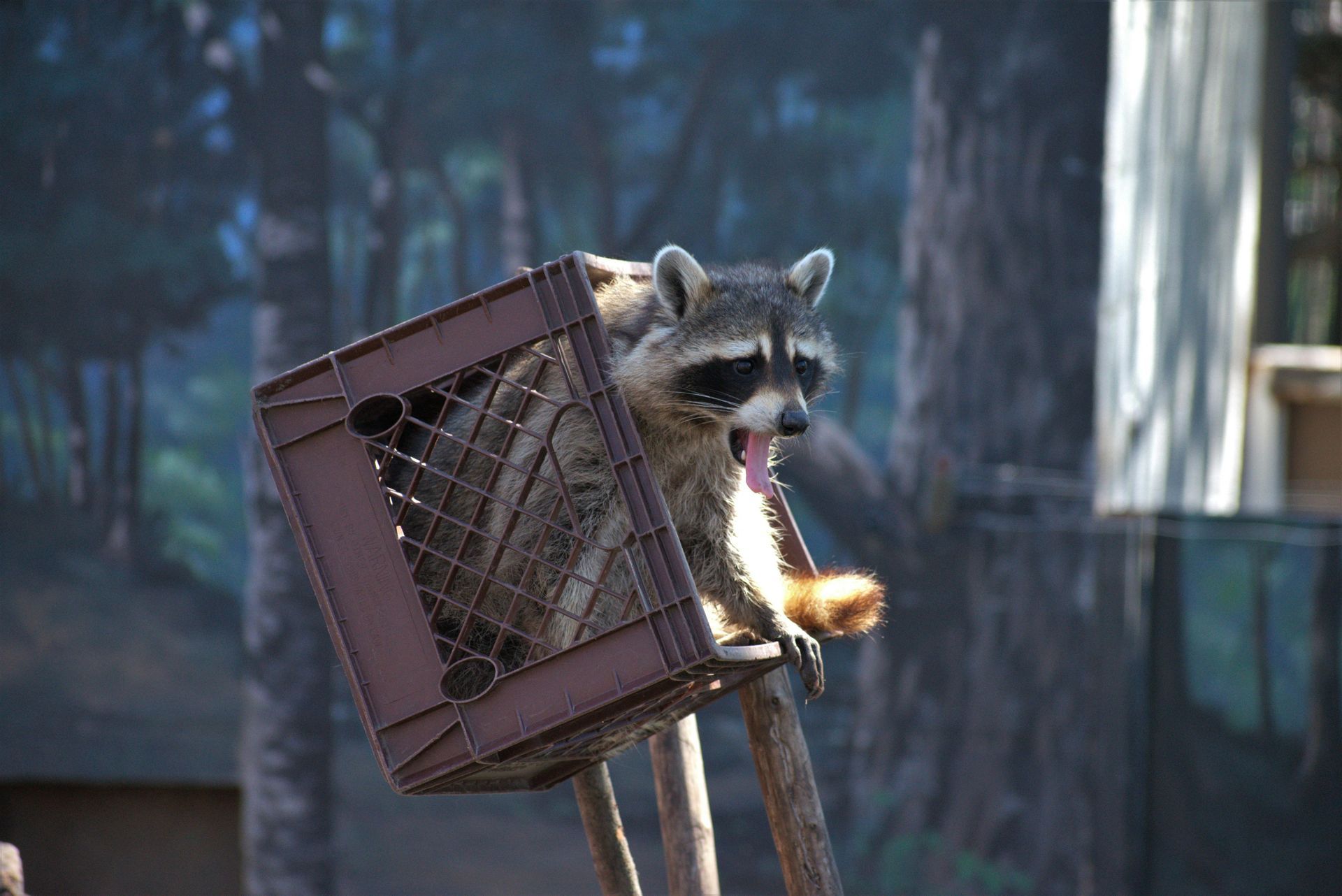
Raccoons are intelligent, opportunistic creatures that frequently interact with human environments. While their clever behavior is fascinating, raccoons can cause significant property damage and health concerns when they nest in attics, chimneys, or crawl spaces. Mike's Wildlife Removal has extensive experience netting humane and lasting solutions for raccoon problems in Middlefield and the surrounding Connecticut communities. Since 1994 we have developed safe protocols to address raccoon behavior, manage seasonal considerations, and secure homes against repeated intrusions.
Raccoons are strong, resourceful, and can be unpredictable when cornered. They may carry fleas, ticks, and potentially rabies, so dealing with them requires trained professionals who understand both the animal’s behavior and state regulations.
Why raccoon removal matters
Structural damage
Raccoons tear up insulation, chew through materials, and can enlarge entry points to create repeated access.
Health risks
Raccoons carry parasites and diseases, and their droppings can contain harmful bacteria; rabies risk necessitates caution.
Noisy infestation
Raccoons are loud, especially at night, and can cause disturbing noises that impact quality of life.
Aggressive defense
Trapping or confronting raccoons without experience may provoke aggressive behavior and increase risk to humans and pets.
Key benefits of choosing Mike’s Wildlife Removal for raccoons
Skilled, safe handling
Technicians trained in methods to reduce stress and minimize the risk of aggression or spraying.
Comprehensive cleanup
Attic sanitation, insulation removal and replacement, and odor treatment.
Expert exclusion
Durable fixes for chimneys, rooflines, vents, and soffits to prevent re-entry.
Legal compliance
We follow Connecticut regulations and humane practices for raccoon removal and implement public health protocols when necessary.

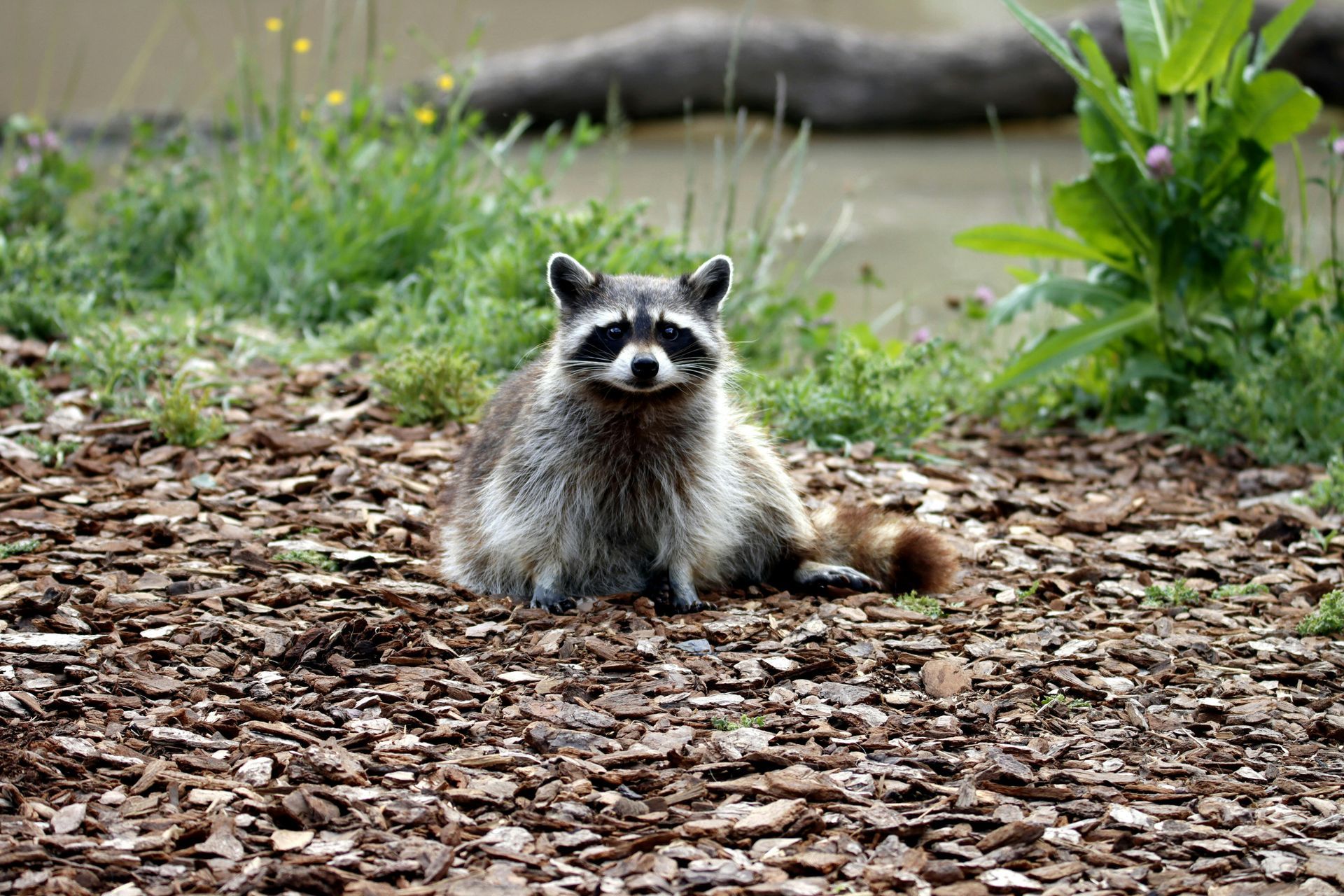
How we handle raccoon problems, process, and best practices
Inspection and evidence collection
Our first step is a thorough inspection to confirm raccoon activity, locate dens, and assess damage. Signs include greasy tracks along rooflines, disturbed insulation, torn vents, droppings, and scratch marks. If babies are present, we adapt the removal plan to minimize impact on offspring.
Removal and capture strategies
When an immediate threat exists (e.g., raccoon inside living spaces), we prioritize quick and humane removal. For attic or chimney denning, we use staged exclusion and live trapping where appropriate. We avoid rushed removal that could cause orphaning of young raccoons. For heavily infested sites, we schedule staged removals combined with exclusion work.
Sanitation and contamination control
Raccoon infestations frequently result in widespread attic contamination from droppings and nesting. Our cleanup protocol involves removal of contaminated insulation, HEPA vacuuming, and disinfectant application. We also inspect for evidence of secondary pests like fleas or mites and treat accordingly.
Repair and exclusion
We repair torn vents, damaged soffits, and compromised roof sections using secure materials. Chimney caps, metal flashing, and heavy-gauge mesh are commonly installed to prevent future entry. We use species-specific exclusion designs that withstand raccoon strength and ingenuity.
Follow-up and monitoring
After initial work, we conduct follow-up visits per the warranty agreement to ensure that excluded access points are holding and no new activity is present. We provide homeowners with checklists to monitor and report early signs of re-entry.
Raccoon-specific prevention tips
Use wildlife-proof trash containers with locking lids or store trash in enclosed areas.
Avoid leaving pet food outdoors overnight.
Install chimney caps with sturdy materials and regularly inspect rooftop flashings.
Seal attic vents and soffits with metal mesh that raccoons cannot tear.
Safety considerations and rabies protocol
Raccoons are considered a rabies vector species. If you notice unusual behavior (daytime aggression, stumbling, foaming), do not approach the animal; instead contact us and local animal control for guidance. If a person or pet has had contact with a raccoon, seek immediate medical or veterinary attention.
Frequently asked questions (FAQs)
Q: Can raccoons tear through roofs and insulation?
A: They can and do. Raccoons are strong and will manipulate materials to create entry or nesting areas. Timely exclusion and repair are crucial.
Q: Will removing raccoons anger other raccoons in the area?
A: Raccoons are territorial and typically manage den sites individually. Proper exclusion prevents others from occupying the same space. Removing food attractants reduces overall local raccoon presence.
Q: How do you handle babies in the attic?
A: We aim to avoid separating young from their mothers. When possible, we delay removal until offspring are mobile and can leave with the mother, or we work with rehabilitators under legal guidelines if necessary.
Q: Are raccoons destructive to gardens?
A: Yes. They may dig in compost, raid vegetable gardens, and access bird feeders. Securing food sources reduces the likelihood of visits.
If raccoons are on your property or in your home, call Mike's Wildlife Removal at (860) 306-1991 for a prompt inspection and action plan. Our office: 22 Passiac Road, Middlefield, CT 06455. We provide humane removal, comprehensive cleanup, and durable repairs to safeguard your home and family.